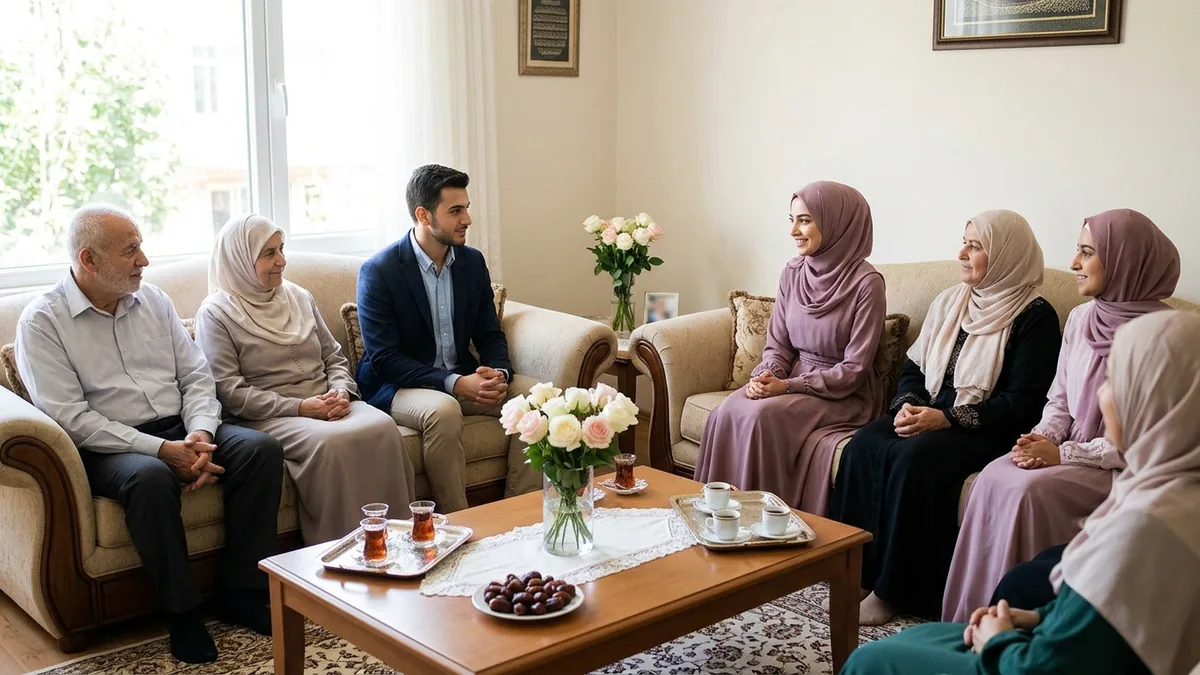
Planning an Accessible Nikah Ceremony for Disabled and Elderly Guests
A nikah should welcome everyone who matters to the couple. A little planning around access lets disabled and elderly loved ones share the day with dignity, not from the sidelines.
A nikah is meant to gather the people who matter most to a couple — and those people often include grandparents, elderly relatives and guests with disabilities. Yet many celebrations are planned as though every guest can climb stairs, stand for long periods, hear clearly over loud music and manage without rest. The result is that the very people whose blessings mean the most end up watching from the edges, or unable to attend at all.
Making a nikah accessible is not about a lavish budget; it is about a little thoughtful planning so that everyone can share the day with dignity. This guide covers the practical checks — venue, seating, sound, lighting, transport and a clear point of contact — that turn a celebration into one that genuinely welcomes disabled and elderly loved ones.
Plan an accessible nikah by checking the venue before you commit, arranging comfortable and reachable seating, managing sound and lighting for those with sensory needs, organising transport and rest for elderly guests, and giving families one clear contact for accommodation requests. The aim is a schedule and space where disabled and elderly loved ones participate fully rather than struggle at the margins.
Check the venue before you commit
Confirm real accessibility with your own eyes rather than trusting the word “accessible.”
Before paying a deposit, visit or carefully verify the entrances, the route from parking, the toilets, and whether there is step-free access to every area guests will use. Venues often describe themselves as accessible while a single flight of stairs, a heavy door or a distant accessible toilet quietly excludes someone. Checking early avoids a painful discovery on the day.
If a venue cannot genuinely accommodate the guests who matter, it is better to know before booking than to force loved ones to miss the celebration or endure it with difficulty.
Seating, movement and comfort
Reachable, comfortable seating lets elderly and disabled guests stay for the whole occasion.
Plan seating that people can reach without navigating obstacles, with space for wheelchairs and walking aids and chairs with support for those who cannot sit on low or backless seating for long. Keep pathways clear, and place elderly guests where they do not have to cross the whole room or stand for extended periods.
Small touches — a reserved, easy-to-reach area for those who need it, a quiet seat away from crowding — let people stay and enjoy the day rather than leaving early because staying became too hard.
Sound, lighting and sensory needs
Manage volume and light so guests with hearing, visual or sensory sensitivities can take part.
Very loud music can make it impossible for guests with hearing loss to follow conversation or the ceremony itself, and harsh or flashing lighting can distress those with sensory sensitivities. Keeping the key moments of the nikah clear and audible, and providing some calmer, quieter space, lets more people genuinely participate rather than feel overwhelmed.
You do not have to sacrifice a joyful atmosphere; you simply plan a few moments and spaces where those who need calm can follow what matters.
Transport and rest for elderly guests
Getting there and having somewhere to rest often decides whether an elderly guest can come at all.
For elderly relatives, the journey and the length of the day are frequently the real barriers. Arranging or coordinating transport, choosing timings that avoid exhausting travel, and providing a place to rest can be the difference between a beloved grandparent attending or staying home. A companion assigned to help an elderly guest is a kindness that removes a great deal of worry.
Thinking through arrival, seating and departure from the guest’s point of view turns attendance from a strain into something manageable and joyful.
One clear contact for accommodation requests
Give families a simple way to ask for what they need, and plan an inclusive schedule.
Name one person guests can approach with access needs — a step-free route, a dietary requirement, help for someone with a disability — so that no one has to struggle silently or feel like a burden. Make it easy to ask in advance, and the day runs far more smoothly for everyone.
Finally, shape a schedule that is inclusive without exhausting anyone: key moments that everyone can witness, enough calm and rest built in, and a pace that an elderly or disabled guest can follow. An inclusive nikah simply means one where everyone who is loved can be present in it.
A practical example
When Sana planned her nikah, her grandmother used a wheelchair and an uncle had significant hearing loss. The first venue she loved had three steps at the entrance and booming acoustics; realising this before booking, she chose a different hall with step-free access and asked for the ceremony’s key moments to be kept clear and audible.
She also assigned a cousin to help her grandmother with transport and seating, and named one relative as the contact for any access needs. None of it was expensive. On the day, the two people whose presence meant the most to her were fully part of the celebration rather than watching from a difficult distance — which was, in the end, the whole point of gathering everyone.
Frequently asked questions
Does an accessible nikah have to be expensive?
No. Accessibility is mostly about thoughtful planning, not budget: checking the venue, arranging reachable seating, managing sound, coordinating transport and naming a contact for requests. Small, low-cost choices make the biggest difference.
How do I check if a venue is really accessible?
Verify it yourself rather than trusting the label. Check entrances, the route from parking, step-free access to every used area, and the toilets. A single flight of stairs or a distant accessible toilet can quietly exclude a guest.
What helps elderly guests attend?
Usually transport and rest. Coordinate the journey, choose timings that avoid exhausting travel, provide somewhere to rest, and assign a companion. These often decide whether an elderly relative can come at all.
How do I handle guests’ access needs discreetly?
Name one clear contact families can approach in advance for step-free routes, dietary needs or disability support. Making it easy to ask means no one has to struggle silently or feel like a burden.
Sources and scope
- This is practical event guidance rooted in the Islamic value of honouring family ties, the elderly and people with disabilities. For any religious questions about the ceremony itself, consult a qualified scholar.
Make sure everyone who is loved can be present
A nikah is a gathering of the people who matter, and a little planning ensures that disabled and elderly loved ones are among them in reality, not just in intention. Checking the venue, arranging comfortable seating and transport, managing sound and light, and offering a clear contact for requests all turn good intentions into a day everyone can share.
The same care extends beyond the ceremony: welcoming a spouse who searches with a mobility disability, communicating well with loved ones who have hearing loss, and honouring the responsibilities of caring for aging parents.