When Your Family Says No to Your Choice
You found someone right, and your family said no. Before anything breaks, learn to tell a wise objection from an unjust one — and how to respond with both respect and resolve.
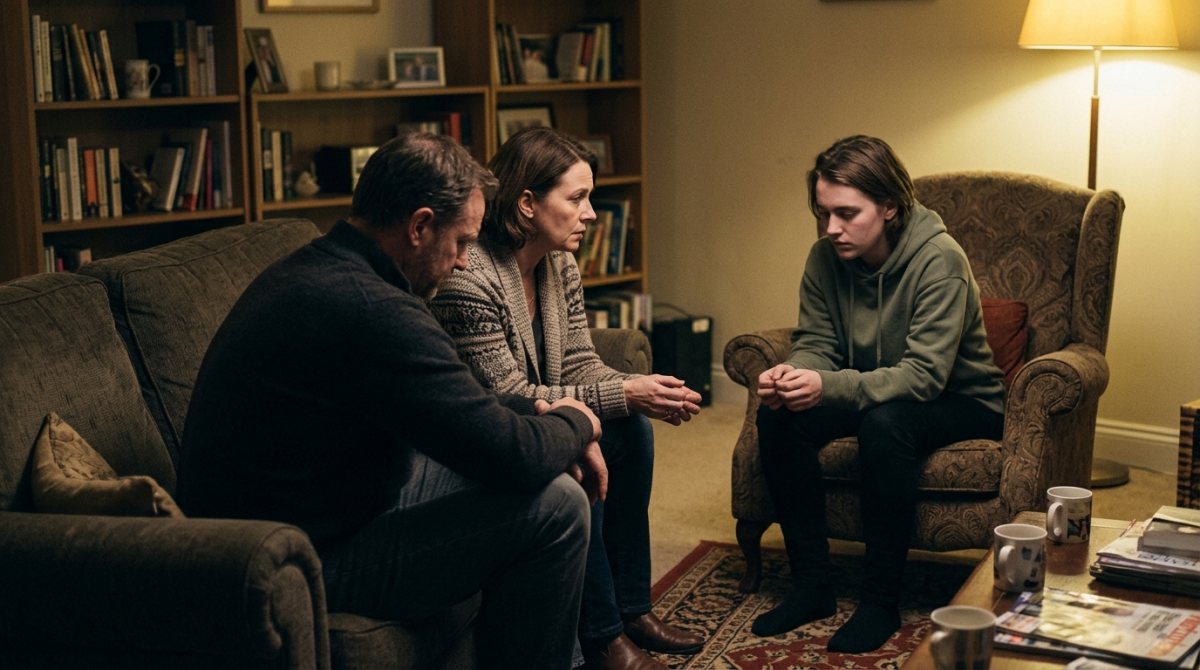
You have found someone. The conversations were good, the compatibility is real, and you can imagine a life together. Then you bring the news home — and your family says no. Maybe a quiet, disappointed no; maybe a loud one. Either way, something in your chest sinks. The person you want on one side, the people who raised you on the other, and you standing between them wondering how it came to this.
This is one of the hardest situations in the whole journey to marriage, and it deserves more than the two slogans usually offered — "obey your parents" or "follow your heart". The wiser path begins with a question those slogans skip: why is your family saying no?
First, understand the objection honestly
Not all refusals are equal. Before you decide how to respond, you must understand what you are actually responding to. Sit down — with the person's help if you can bear it, or a wise third party — and separate the real reason from the stated one.
Broadly, family objections fall into two very different categories, and confusing them is where the pain multiplies.
Objections rooted in your wellbeing
Sometimes a family sees something you cannot, precisely because they are not in love. They may have noticed dishonesty, a bad reputation confirmed through people who know, a pattern of instability, a clash of values that will surface later, or a real incompatibility your feelings are glossing over. This kind of objection is a gift disguised as an obstacle. Your parents have watched people and marriages for decades; their unease may be wisdom your heart is too close to hear.
If the objection is of this kind, the mature response is not defiance but investigation. Ask them plainly: "What specifically worries you?" Listen without defending. Then check honestly whether they are seeing a truth you have been avoiding — the very warning signs we describe in red flags to notice before you commit. Many people, years later, thank the family that stopped a marriage they were too infatuated to question.
Objections rooted in something other than your wellbeing
Other refusals have nothing to do with the person's character or your compatibility. They are about tribe, nationality, skin colour, social class, family rivalry, or pure pride — "not from our kind", "not wealthy enough", "what will people say". These objections are of an entirely different order, and here honesty requires naming a hard truth: a family's cultural preference does not automatically override a religiously and morally sound match. Islam's guidance on choosing a spouse centres deen and character; it does not sanctify nationality or wealth as a reason to reject a righteous, compatible person.
This does not make such a family unlovable or their feelings unreal. But it does mean the objection is not the trump card it is often presented as.
Respond with patience before pressure
Whatever the category, your first tool is not confrontation — it is patient, respectful engagement. Doors slammed rarely reopen; doors worked on gently often do.
- Stay calm and stay respectful. The moment you become combative, you confirm every fear that you are being led by emotion rather than reason. Dignity is persuasive.
- Address the real concern, not the surface one. If the fear is about the person's means, let them see a work ethic and a plan. If it is about religion, let them see practice. Answer the actual worry with evidence over time.
- Bring in respected voices. A family often hears from a trusted uncle, an imam, or an elder what it will not hear from the young person themselves. Enlisting wise mediators is a time-honoured path, part of the counsel Islam encourages in serious matters.
- Give it time. Initial shock is not final judgement. Many families that said an emphatic no softened over weeks or months as they came to know the person and saw the seriousness of the bond.
When the objection is unjust and does not move
This is the hardest case: you have listened, investigated honestly, involved mediators, and concluded that the refusal is not about your wellbeing but about prejudice or pride — and it will not budge. What then?
Here, hold two truths together without letting either destroy the other. On one side, honouring parents is a heavy and beautiful obligation in Islam; you do not discard it lightly, and you never repay their objection with cruelty, cut ties in rage, or dishonour them. On the other side, a woman cannot be forced into a marriage she refuses, and neither may a person be forced to reject a sound, righteous match on grounds the religion does not recognise. A wali who refuses a compatible, upright suitor without valid reason is, in the language of the scholars, being unjust in his guardianship — and Islamic tradition provides paths through community and religious authority to address exactly that injustice, so that no one's future is held hostage to prejudice.
These are serious matters that call for serious help. Do not navigate a genuine impasse alone or through anger. Involve a trusted imam or knowledgeable, balanced elder who can advise on your specific situation, mediate with your family, and — where truly necessary — help you understand your rights within the framework of the deen, not against it.
Guard against the two extremes
Under pressure, people lurch to one of two failures. Some surrender a genuinely good, compatible match to an unjust objection, and carry a quiet grief for years. Others, in the heat of being opposed, elope or sever their family entirely — turning a fixable conflict into a permanent wound and beginning a marriage cut off from the very support it will need. Both are avoidable. The middle path — patient, respectful, principled, and helped by wise counsel — is harder and slower, but it is the one that most often ends with both the marriage and the family intact.
A prayer and a perspective
Turn to Allah through this, sincerely and repeatedly — including the prayer of guidance we discuss in istikhara for marriage, which steadies the heart when a decision is heavy and contested. Ask for a resolution that is good for your deen, your family bonds, and your future all at once, and trust that such an outcome is possible even when you cannot yet see its shape.
When the person you chose is the problem
One honest possibility must be faced: sometimes, in the course of resisting an unjust objection, you discover your family was partly right after all. As the pressure reveals the other person's true character — how they respond to difficulty, whether they push you toward severing your family, how they speak about people who stand in their way — you may see something you had not seen before. Watch this carefully. A prospective spouse who encourages you to cut off your parents, who delights in the conflict, or who shows a hardness under pressure that alarms you, may be teaching you late what your family sensed early. Do not let the momentum of having taken a stand blind you to genuine new information. The goal was never to win an argument; it was to marry well.
Protecting the bond for the long term
Whatever you decide, think past the wedding to the decades after it. Marriages that begin in a rupture with family carry that wound for years — holidays that are tense, grandchildren caught between estranged sides, a spouse who is quietly blamed for the distance. Even where you are within your rights, invest heavily in keeping the door open: continued kindness, patient contact, refusal to slam anything permanently shut. Time changes many hearts, and a family that could not accept a choice at first has often, years later, come fully around — but only where the one who married kept reaching back with gentleness rather than burning the bridge in anger.
Whatever the ending, keep your conduct beautiful. A marriage worth having is worth pursuing with patience and honour, and a family worth keeping is worth every effort of gentleness. When your search leads you to someone your family can genuinely embrace, that is a blessing worth working toward — and ZawajAmine is built to help you find a match sound enough in faith and character that the objections, where they are just, simply fall away.